Signs Your Sidewalks, Driveways, or Patios Need Resurfacing
Signs your sidewalks, driveways, or patios need resurfacing include cracks, uneven surfaces, or surface deterioration, and local contractors can help restore their safety and appearance.
Noticing signs that your sidewalks, driveways, or patios need resurfacing can help property owners maintain both safety and curb appeal. Cracks, uneven surfaces, and visible wear are common indicators that the existing surface is no longer performing as it should. Addressing these issues early with the help of experienced local contractors can prevent further damage, reduce safety hazards, and restore the functionality of outdoor spaces. Keeping an eye out for these warning signs ensures that property owners can make informed decisions about when resurfacing services are needed to keep their surfaces in top condition.
For those living in the area, understanding the practical reasons to explore sidewalk, driveway, or patio resurfacing is essential. Over time, weather exposure and regular use can cause surfaces to deteriorate, leading to costly repairs if left unaddressed. Resurfacing offers a way to refresh outdoor spaces, improve their appearance, and extend their lifespan without the need for complete replacement. Local service providers specializing in resurfacing can assess the condition of existing surfaces and recommend the most effective solutions, helping property owners protect their investments and enjoy safe, attractive outdoor areas.
- Sidewalk resurfacing may be needed when cracks, uneven surfaces, or tripping hazards become noticeable, and local contractors can assess and restore the pavement efficiently.
- Driveway resurfacing is often required when potholes, surface deterioration, or fading markings appear, with service providers offering solutions to improve durability and appearance.
- Patio resurfacing becomes necessary when surface wear, cracks, or fading diminish outdoor usability, and local specialists can rejuvenate the area for safe, attractive use.
- Signs your sidewalks, driveways, or patios need resurfacing include visible cracks, spalling, or discoloration, prompting local pros to recommend appropriate repair or resurfacing options.
- Resurfacing services are suitable when surface texture or stability issues arise, with local contractors providing tailored solutions to extend the lifespan of outdoor surfaces.
When homeowners search for signs their sidewalks, driveways, or patios need resurfacing, they are typically looking for visual or structural indicators that these surfaces are deteriorating and may require repair or renewal. Common concerns include surface cracks, uneven areas, and surface wear that affects the appearance and safety of outdoor spaces. Recognizing these signs early can help prevent more extensive damage and costly repairs down the line. Local contractors who specialize in resurfacing services can assess the condition of these surfaces, identify underlying issues, and recommend appropriate solutions to restore both function and aesthetic appeal.
The problems associated with aging or damaged outdoor surfaces often relate to both safety and property value. Cracks, spalling, and pitting can create tripping hazards, especially for children, seniors, or anyone with mobility challenges. Additionally, surface deterioration can lead to water pooling or infiltration, which may cause further structural damage over time. For homeowners planning to sell or improve their property, a well-maintained sidewalk, driveway, or patio can significantly boost curb appeal. Local service providers can perform resurfacing to address these issues, providing a durable, smooth finish that enhances safety and visual attractiveness.
These signs are most commonly observed on residential properties, including single-family homes, townhouses, and multi-unit complexes. Driveways tend to show wear from frequent vehicle use, with cracks and oil stains signaling the need for resurfacing. Patios, often used for outdoor gatherings, can develop surface cracks, discoloration, or loose paving stones, diminishing their usability. Sidewalks, especially those in high-traffic areas or with tree root intrusion, can become uneven or cracked, creating hazards for pedestrians. Service providers experienced in resurfacing work regularly with these types of properties, helping homeowners maintain safe, attractive outdoor spaces that meet their needs.
Understanding these signs and knowing when to seek resurfacing services can save homeowners time and money, while also preserving the value of their property. Local contractors who specialize in sidewalk, driveway, and patio resurfacing can evaluate the current condition of these surfaces, recommend suitable repair options, and perform the necessary work to extend their lifespan. Whether dealing with minor cracks or more extensive surface damage, connecting with experienced service providers ensures that outdoor surfaces are properly restored, safe, and visually appealing. Recognizing the early warning signs is a key step toward maintaining a well-kept property that can withstand the elements and daily use.
Concrete Repair - Contractors skilled in concrete repair can address cracks, chips, and surface deterioration similar to resurfacing needs on sidewalks, driveways, and patios.
Stamped Concrete Installation - This project involves surface preparation and finishing techniques that are related to resurfacing work, providing decorative options for outdoor surfaces.
Concrete Overlay Projects - Local service providers can apply overlays to refresh worn surfaces, offering a cost-effective alternative to complete replacement for sidewalks, driveways, or patios.
Paving and Asphalt Resurfacing - Similar skills are used in asphalt resurfacing projects, which also require surface assessment and preparation to restore functionality and appearance.
Surface Leveling and Slab Lifting - These techniques involve stabilizing uneven concrete surfaces, a process often necessary before resurfacing can be effectively performed.
Patio and Walkway Construction - Building new outdoor surfaces involves planning and laying concrete or similar materials, sharing foundational skills with resurfacing projects.
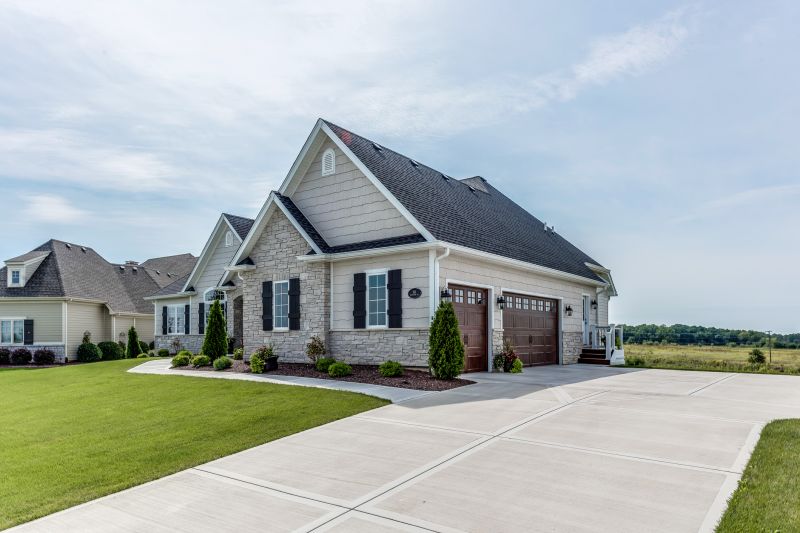
When evaluating contractors for sidewalk, driveway, or patio resurfacing, it’s important to consider their experience with similar projects. Service providers who have handled resurfacing jobs of comparable size and scope are more likely to understand the specific challenges involved, such as dealing with existing damage or ensuring a durable finish. Homeowners should inquire about the types of surfaces the contractor has worked on and request examples of past work to gauge their familiarity with the materials and techniques that best suit their needs.
Clear communication of expectations is also a key factor in selecting a reputable service provider. A professional contractor will be able to explain the resurfacing process in understandable terms, outline what the project will involve, and set realistic outcomes. This helps ensure that homeowners are aligned with what to expect and can make informed decisions. Transparency about the scope of work and any potential limitations can prevent misunderstandings and foster a smoother project experience.
Reputable references and good communication are essential when comparing local contractors. Service providers who can offer references from previous clients or showcase reviews demonstrate a track record of reliable work. Additionally, responsive and clear communication throughout the consultation process indicates a contractor’s professionalism and willingness to address questions or concerns. These qualities can help homeowners feel more confident in their choice and ensure that the project proceeds efficiently and to their satisfaction.
Property owners often search for signs your sidewalks, driveways, or patios need resurfacing when they are planning practical projects around their homes and businesses. Local pros provide Sidewalk, Driveway, or Patio Resurfacing services for everyday jobs and straightforward project options.
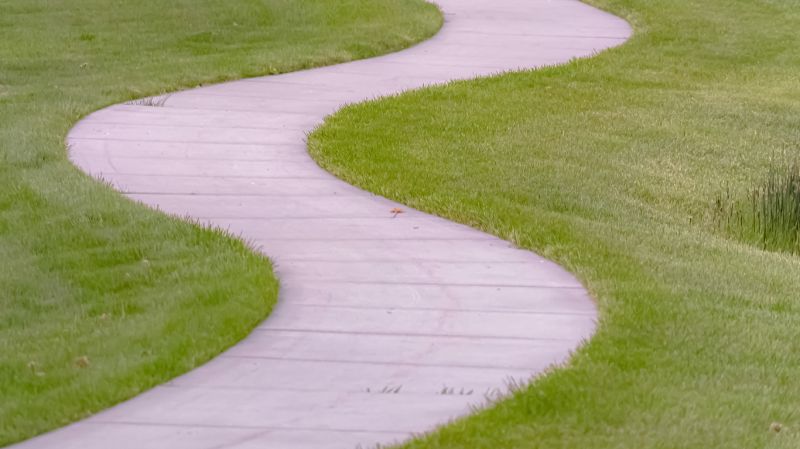
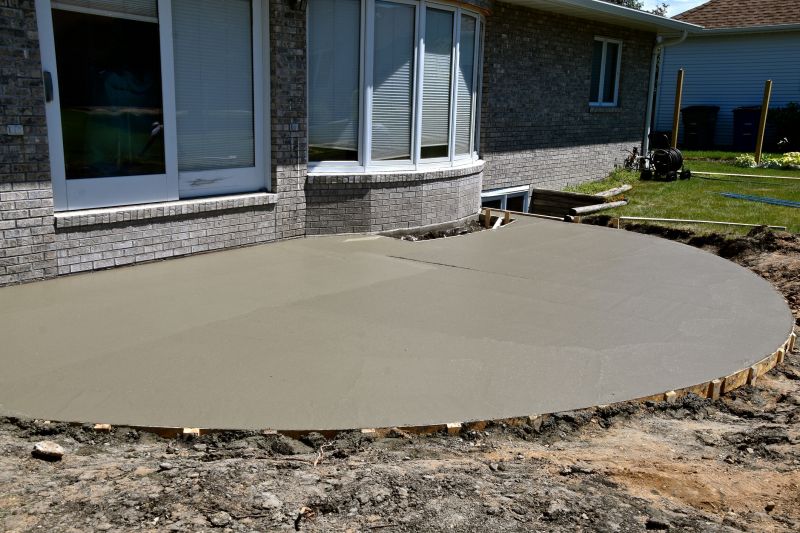
Property owners often notice cracks, uneven surfaces, or fading patterns on their sidewalks, driveways, or patios, which can be clear signs your sidewalks, driveways, or patios need resurfacing. These issues not only affect the appearance of a property but can also pose safety concerns, especially when cracks become trip hazards or surfaces become slippery. When such signs appear, many consider reaching out to local contractors who specialize in resurfacing services to restore the functionality and aesthetic appeal of outdoor surfaces.
Other common indicators include extensive surface wear, pitting, or areas where the material has begun to break apart. Over time, exposure to weather and regular use can lead to deterioration that makes surfaces look aged or neglected. In these cases, local service providers can assess the condition of the surface and recommend appropriate resurfacing solutions to improve durability and appearance, helping to maintain the property's value and safety.
What are common signs that sidewalks, driveways, or patios need resurfacing? Visible cracks, uneven surfaces, and surface deterioration are typical indicators that these areas may require resurfacing services from local contractors.
How can I tell if my driveway or patio has structural damage? Signs such as large, shifting cracks, sinking sections, or water pooling can suggest underlying structural issues that warrant assessment and resurfacing by local service providers.
Are surface discolorations or stains a sign for resurfacing? While stains can sometimes be cleaned, persistent discoloration, especially when combined with surface wear, may indicate the need for resurfacing to restore appearance and durability, handled by local pros.
What does surface spalling or flaking indicate about the condition of my sidewalk or patio? Spalling or flaking surfaces often point to deterioration of the top layer, which can be addressed through resurfacing services offered by local contractors to improve safety and appearance.
When should I consider resurfacing instead of replacing my sidewalk, driveway, or patio? Resurfacing is typically recommended when surface damage is extensive but the underlying structure remains sound, making it a practical option provided by local service providers.
Cracks and Gaps - Visible cracks or gaps in sidewalks, driveways, or patios can indicate the need for resurfacing to restore stability and appearance. Local contractors can evaluate the damage and provide options to repair and reinforce the surface.
Uneven Surfaces - If the surface feels uneven or has settled in spots, resurfacing can create a smooth, level area for safety and aesthetic appeal. Service providers can remove the damaged layer and apply a new, even coating.
Surface Wear and Deterioration - Signs of surface wear such as spalling, pitting, or fading suggest that resurfacing can refresh the look and extend the lifespan of the area. Professionals can prepare the existing surface and apply a durable new finish.
Drainage Issues - Poor drainage or pooling water can be a sign that resurfacing is needed to improve slope and water runoff. Local contractors can reshape and resurface surfaces to promote proper drainage and prevent future problems.
If you are thinking about signs your sidewalks, driveways, or patios need resurfacing for a property, this guide is meant to help you understand this topic, the typical project types, and how different options might fit your plans.
When you are ready, you can use the quote form on this page to share a few details about your project. From there, local pros can review the basics and follow up with options that match what you have in mind.